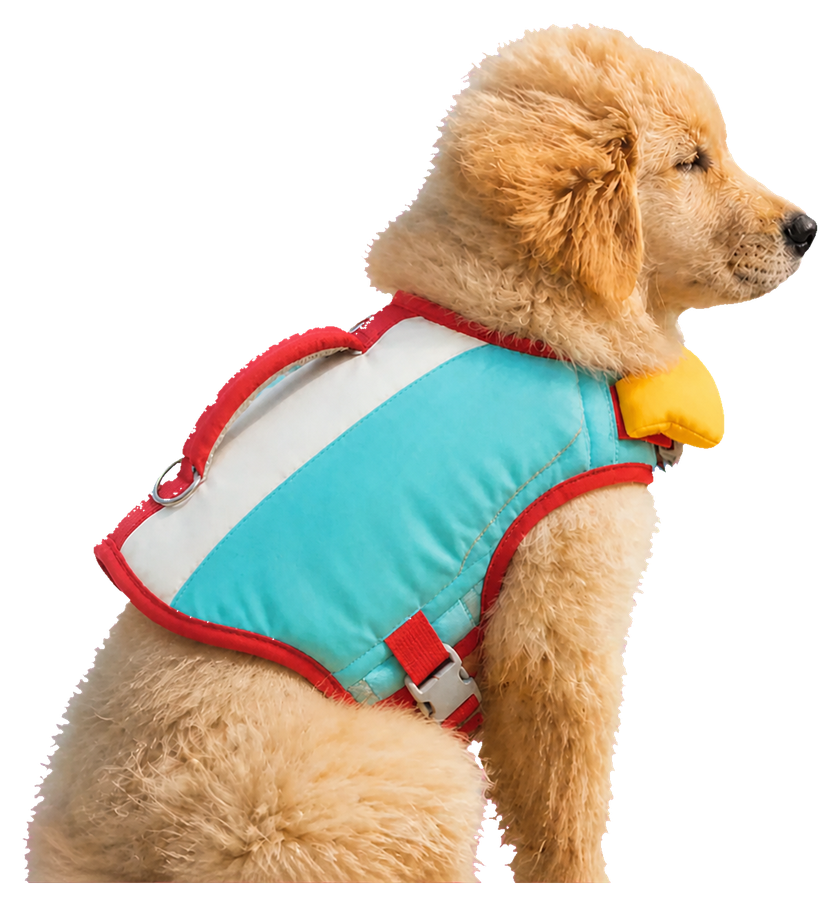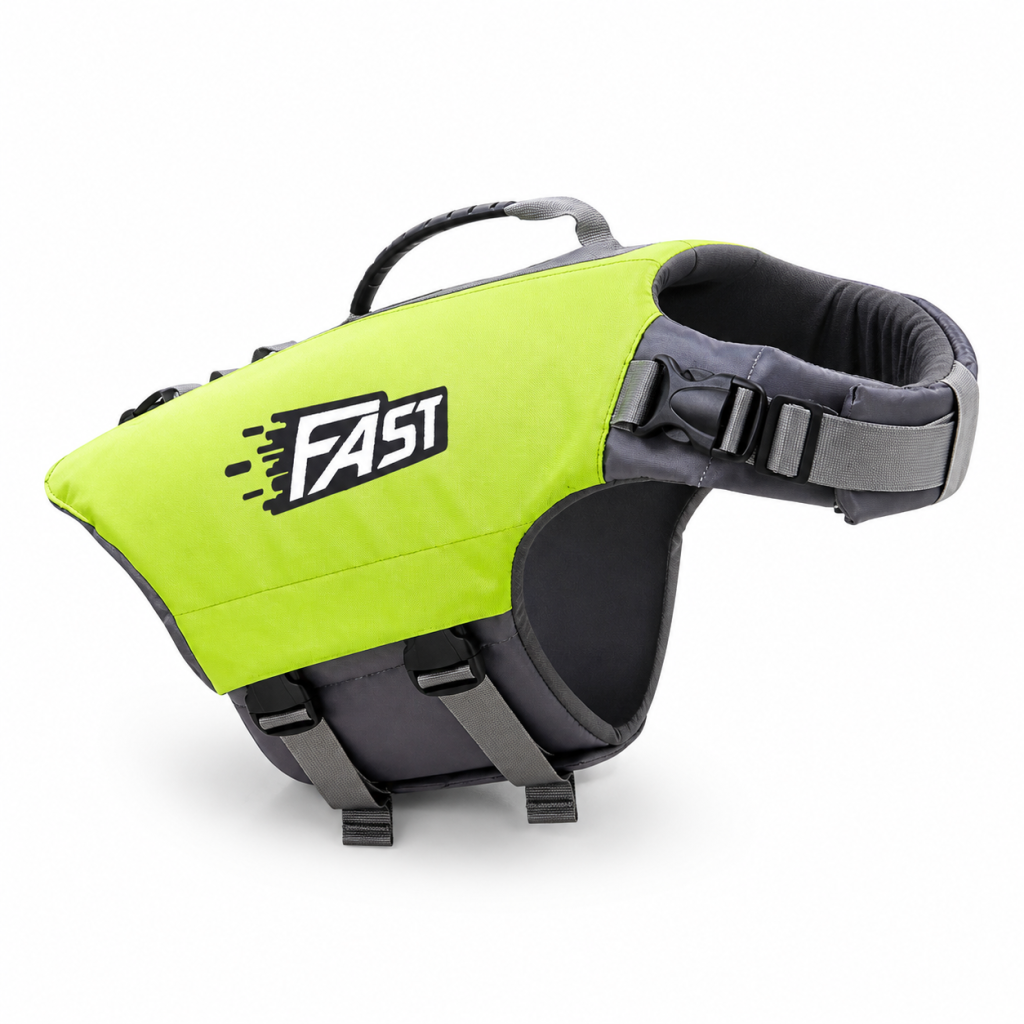
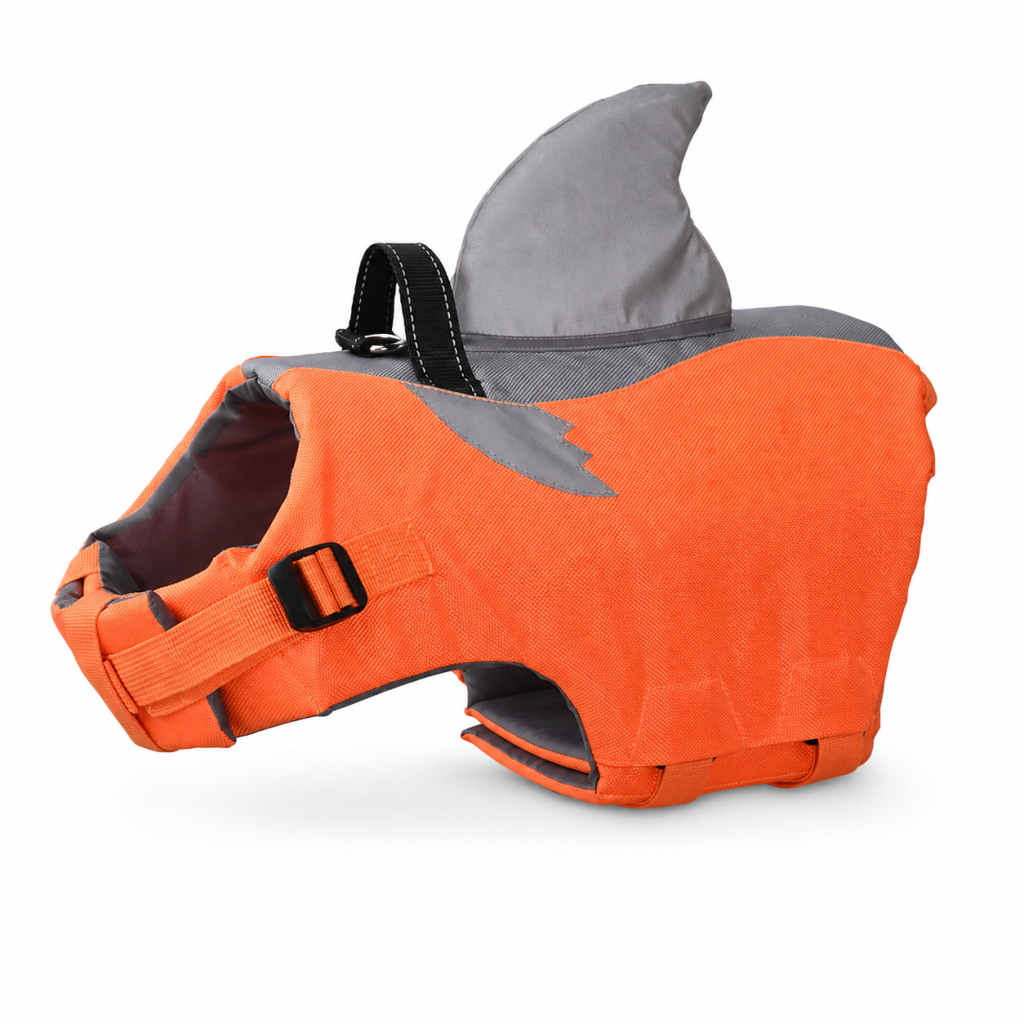
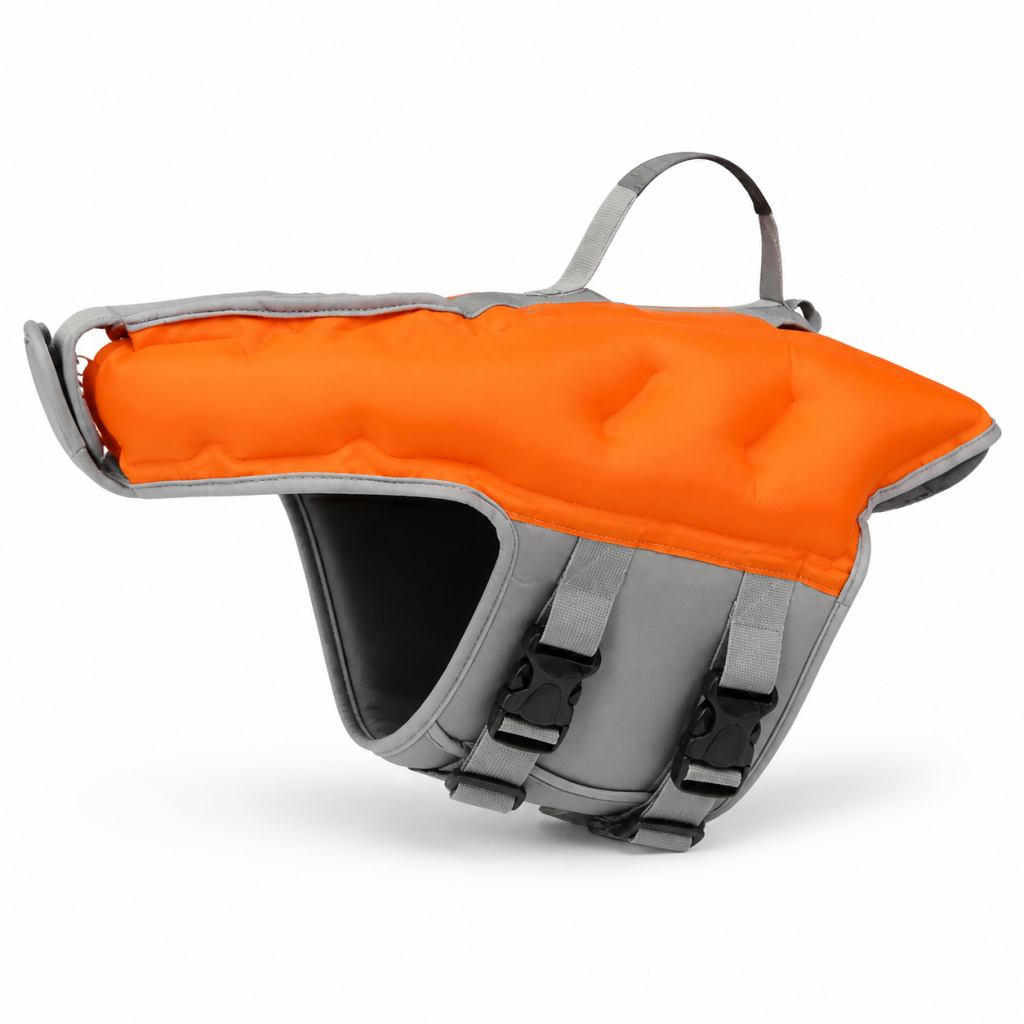
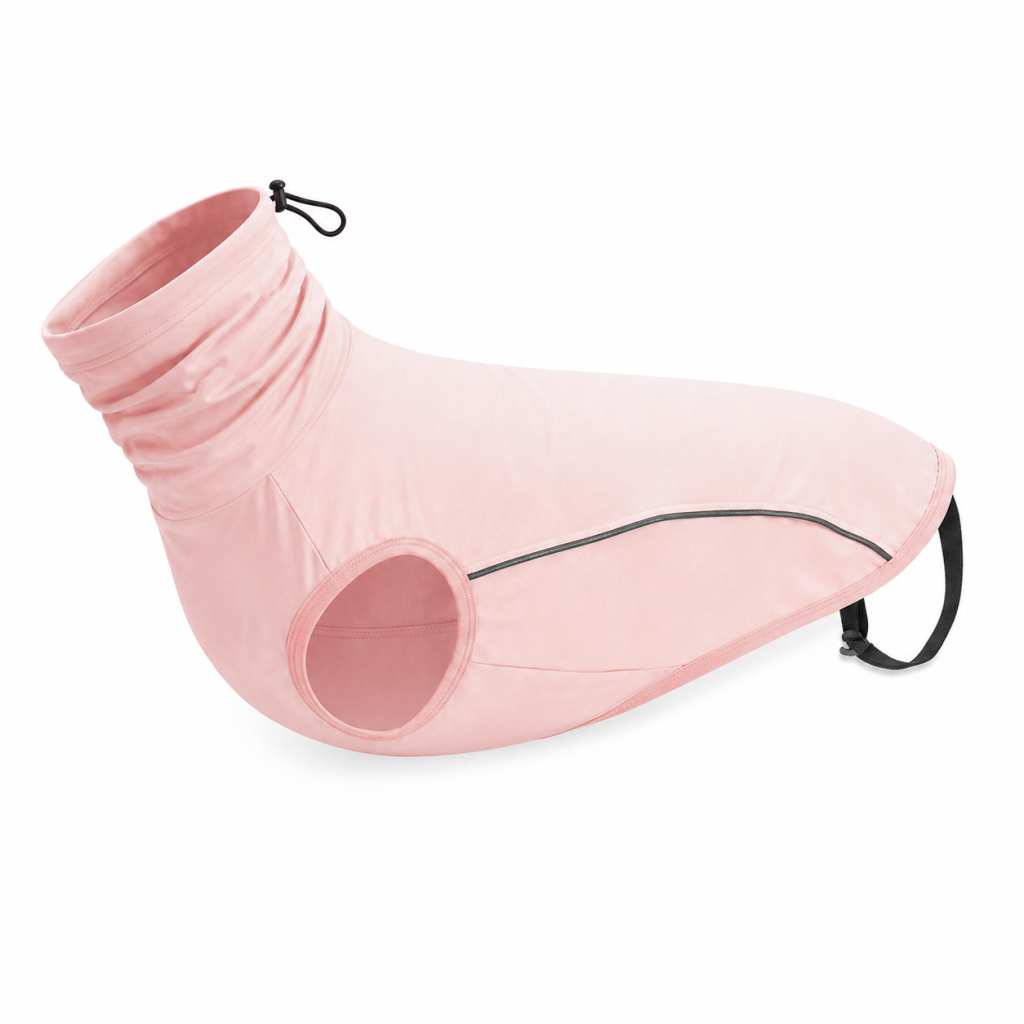

Measure chest girth first, then back length and neck opening. A dog rash guard should sit close to the body without pulling behind the front legs, squeezing the neck, or changing your dog’s natural stride.
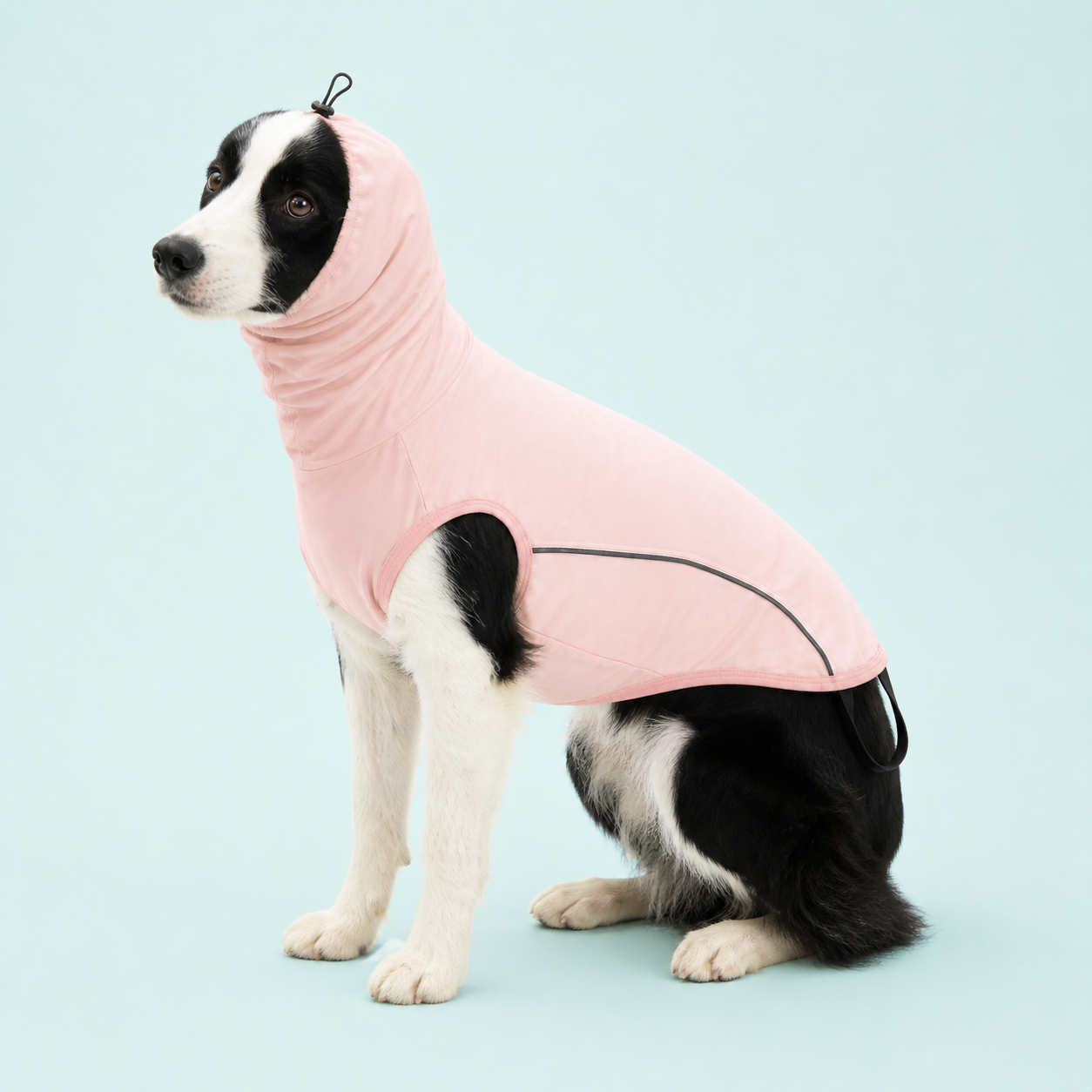
What measurements do you need for a dog rash guard?
For most dog rash guards, the most important measurement is chest girth: the circumference around the widest part of the rib cage, just behind the front legs. After chest girth, check back length from the base of the neck to the base of the tail, then confirm the neck opening. These three numbers tell you whether a fitted swim layer will stay smooth without pulling forward, twisting around the shoulders, or riding up during walking and shake-offs.
Do not choose a rash guard by breed name alone. Two dogs of the same breed can have different chest depth, coat volume, shoulder width, and body length. A soft tape measure gives a better starting point than weight alone, especially for fitted dog swimwear.
Quick answer for shoppers
To measure your dog for a rash guard, wrap a soft measuring tape around the widest part of the chest, just behind the front legs, and record chest girth first. Then measure back length from the base of the neck to the base of the tail, and check the neck opening where the collar normally rests. The best rash guard size is the one that matches chest girth while still allowing shoulder movement, normal breathing, and easy sitting. If your dog falls between two sizes, prioritize chest girth over back length, then choose the size that avoids pulling behind the front legs. Talenori recommends a dry indoor fit check before the first swim: your dog should be able to walk, turn, sit, and stretch without the fabric twisting, digging, or bunching.
Dog rash guard measurement checklist
| Measurement | Where to measure | Why it matters |
|---|---|---|
| Chest girth | Around the widest part of the rib cage, just behind the front legs. | The main fit point for most fitted dog rash guards and swimsuits. |
| Back length | From the base of the neck to the base of the tail while your dog is standing. | Helps avoid a rash guard that is too short, too long, or likely to ride up. |
| Neck opening | Around the lower neck where a collar naturally sits. | Prevents rubbing, choking, or a neckline that slides too far forward. |
| Shoulder room | Check movement after trying the rash guard on. | Your dog should be able to walk, paddle, sit, and turn without restriction. |
Step 1: Measure chest girth
Ask your dog to stand on a flat surface. Wrap a soft tape measure around the widest part of the chest, usually just behind the front legs. Keep the tape level around the body and snug enough that it does not sag, but not so tight that it presses into the coat or skin. If your dog has a thick coat, measure over the coat the way the rash guard will sit.
Chest girth is the first number to compare with the size chart because fitted swimwear needs to stay stable around the rib cage. If the chest is too small, the rash guard may pull behind the front legs or make breathing feel restricted. If it is too large, fabric can twist, wrinkle, or drift during movement.
Step 2: Measure back length
Measure from the base of the neck, where a collar would naturally sit, to the base of the tail. Keep your dog standing in a normal posture rather than sitting or stretching. Back length helps you choose a rash guard that covers enough of the body without reaching too far into the tail area.
A slightly shorter fitted layer can still work if chest and shoulder movement are right, but a too-long rash guard often causes more trouble. Extra length can bunch near the hips, pull backward at the neckline, or wrinkle under a life jacket. If you plan to layer swim apparel with buoyancy gear, use the guide on wearing a rash guard under a life jacket before the first swim. If the length and chest measurements point to different sizes, start with chest fit and then check the product notes.
Step 3: Check neck opening and shoulder movement
Measure around the lower neck, then use your hand to check comfort after trying the rash guard on. The neckline should not press into the throat, but it should also not hang so loose that water and sand easily collect inside the fabric. Look at the front leg openings too: they should sit cleanly without cutting into the armpit area.
After the neckline is checked, watch your dog walk a few steps. The shoulder area should move naturally. If the fabric pulls backward, changes the stride, or makes your dog pause and paw at the garment, the fit is not right yet.
How should a dog rash guard fit?
- Close, not tight: the fabric should sit smooth against the body without squeezing the chest or neck.
- Free at the shoulders: your dog should be able to walk, sit, turn, and stretch normally.
- No front-leg pulling: check for tension behind the front legs after a few steps.
- No rolling or twisting: the body panel should stay centered over the rib cage.
- Easy rinse and dry: a good fit makes post-swim rinsing simpler because fabric does not trap large folds of sand or water.
If you are still deciding whether your dog needs a fitted swim layer or buoyancy support, read dog swimsuit vs. dog life jacket before choosing. Rash guards and swimsuits are apparel for coverage and comfort; they are not flotation gear.
If you choose buoyancy-support gear instead, read how a dog life jacket should fit before the first swim so the straps, handle, and flotation panels stay secure. Then use dog life jacket mistakes as a quick pre-water checklist.
What if your dog is between sizes?
If your dog is between sizes, choose based on chest girth first. Deep-chested dogs often need more room through the rib cage, while narrow dogs may need the smaller size to prevent twisting. If the smaller size matches length but is tight at the chest, it is usually the wrong choice for a rash guard. If the larger size matches chest but looks long, check whether the product fabric and cut can tolerate a little extra length.
For Talenori shoppers, start with the dog swimwear size guide, then compare your numbers with the product page. The Shoreline dog rash guard is a good starting point for fitted sun and splash coverage, while the Laguna stretch dog swimsuit is a close-fit option for poolside and beach-day routines.
Dry fit check before the first swim
Try the rash guard indoors while it is clean and dry. Let your dog stand, walk, sit, turn, and stretch. Check the front legs, chest, neck, and belly panel. A dry try-on makes it easier to spot pulling, and it keeps exchanges simpler if the size is wrong. Do not wait until the first beach day to discover that a fitted garment is too tight.
After the first water outing, rinse the rash guard in cool fresh water and let it air dry fully before storage. Salt, chlorine, and sand can make fabric feel stiffer over time if they are left in the fibers. For care steps after the beach or pool, use Talenori’s swimwear care guide.
Bottom line
Measure chest girth first, then back length and neck opening. Pick the rash guard size that gives your dog a secure chest fit, clean shoulder movement, and normal breathing. If anything pulls under the front legs, twists around the body, or changes your dog’s stride, adjust the size before using it in water.
Last updated: September 14, 2026. Written by Talenori for dog waterwear shoppers choosing fitted rash guards, swimsuits, and supervised water-day layers.